How to Live Off-Grid: Practical Tips for Land, Energy, Food Independence, and More

Welcome to Your Homesteading Journey: A New Off-Grid Blog Series!

How to Live Off-Grid: Introduction

Practical Tips for Land, Energy, Food Independence, and More

From Grid to Ground

Do you ever find yourself scrolling through the news, feeling a low hum of anxiety about supply chains, energy costs, or political noise?

Have you watched a grocery bill climb while wondering if that tomato, wrapped in plastic and shipped 1,500 miles, could come from your own backyard?

This isn’t just daydreaming. It’s a deep, modern pull toward agency, the desire to reclaim tangible control over your food, water, energy, and time.

Today, homesteading and off-grid living are not about retreating from the world, but about proactively building a resilient, intentional life within it.

This is your interactive guide to making that vision a practical, actionable plan.

This isn’t a passive article. 

Consider this your first homesteading project: we’re building your blueprint together, with tools to assess your readiness, calculate your path, and connect with your purpose.

✔ The "Why" Now:

Unpacking the Modern Motivation for a Life Off-Grid

Let’s move beyond the romantic imagery of log cabins.

The contemporary drive toward self-sufficient living is rooted in pragmatic, powerful drivers of resilience and independence.

The Pillars of Modern Motivation:

  • Financial Resilience: In an era of inflation and economic uncertainty, producing your own food and energy enables you to transition from a passive consumer to an active producer. It’s a strategic buffer against market volatility.
  • Energy & Food Security: When the grid flickers or the store shelves thin, your systems hum, and your pantry is full. This security isn’t fearful, it’s profoundly empowering.
  • Regulatory & Philosophical Independence: For many, this is about the freedom to make direct choices about their land, resources, and family life, often seeking regions with greater personal autonomy. (Crucial Note: This is about working within legal frameworks to find locations with favorable laws for rainwater collection, alternative building, and homeschooling, not about lawlessness.)
  • Deepened Purpose & Connection: In a digital world, homesteading offers the irreplaceable satisfaction of physical work, connection to natural cycles, and a legacy of tangible skills.

✔ The Reality Check:

What's Your Homesteader Archetype?

Before you look at land, look inward.

Success depends less on owning a tractor and more on cultivating the right mindset.

Are you a born planner? A fixer? A nurturer?

Find your starting point with this archetype guide:

  • The Gardener & Provider: Your joy is in the soil and the harvest. You think in seasons, and your strength is nurturing lifem plants and animals alike. Your starting point: Focus on soil health and garden planning.
  • The Engineer & Handyperson: You see systems, water flow, electrical circuits, and structural joints. You solve problems with tools and logic. Your starting point: Dive into renewable energy systems and infrastructure.
  • The Strategist & Planner: You excel at logistics, budgets, and long-term vision. You research meticulously. Your starting point: Your first tool is a spreadsheet. Master zoning laws and cost projections.
  • The Community Builder: You understand that true resilience is collective. You’re a natural networker, trader, and communicator. Your starting point: Connect with local homesteading networks before you buy.

Why this matters: Knowing your archetype helps you prioritize skill-building and identify your ideal land partners. A Gardener might partner brilliantly with an Engineer.

✔ Your First Steps:

The Actionable Pre-Homestead Plan

Phase 1: Research & Immersion (Do This Now)

Start where you are with these actionable steps:

Skill-Acquisition Sprint: Dedicate 3 months to learning one core skill.

  • For the Gardener: Master composting and start a container garden.
  • For the Engineer: Take a basic solar panel installation workshop online.
  • For the Strategist: Complete a detailed budget for your first year.
  • For the Community Builder: Volunteer at a community farm.

Legal Landscape Check: Use our checklist below. Ignorance of local codes is the fastest way to derail a dream.

✅ Homestead Legal Checklist:

Research the following for your target county:

🔲 Rainwater Harvesting: Is it restricted, regulated, or encouraged?

🔲 Tiny Homes & Dwelling Codes: Minimum square footage?

🔲 Foundation requirements?

🔲 Septic & Wastewater: What systems are permitted?

🔲 Homeschooling Regulations: If applicable, what are the reporting requirements?

🔲 Animal Ordinances: Are chickens, goats, or bees allowed? Any limits?

🔲 Building Permits: What requires a permit, and what falls under the “agricultural exemption”?


Blain's | Farm Supplies
 

Phase 2: Location & Land Selection

The right piece of land is your most important decision. Look beyond the view.

The Non-Negotiable “Big Three”:

  1. Water: A reliable year-round source (well, spring, legal catchment) is paramount. No water, no homestead.
  2. Sun Exposure: South-facing slopes (in the Northern Hemisphere) are golden for solar power and gardens.
  3. Soil Quality: Test it. Rocky or heavy clay soil presents immediate challenges for building and growing.

Use a “Landfinder” 

Rank these factors 1-4 for your land search:

  • Budget & Taxes: Lower cost-of-living, favorable tax structures.
  • Climate & Growing Zone: Longer growing seasons vs. four-season resilience.
  • Community & Amenities: Proximity to like-minded neighbors, feed stores, and medical care.
  • Regulatory Freedom: States like Maine, Michigan, Tennessee, and Missouri often rank high for homestead-friendly laws.

✔ Building Your Foundation:

The 4 Pillars of Off-Grid Living

This is the core of your operational independence. Think of these as interconnected systems, not isolated projects.

Pillar 1: Shelter | Your Resilient Habitat

Forget the Instagram fantasy. Start practically.

  • Options Scale: Renovated Existing Structure > Small Cabin > Shipping Container Home > Earthship.
  • Key Principle: Passive Design First. Orient for sun, insulate aggressively, and design for natural ventilation. This reduces your energy needs before you even install a solar panel.

Pillar 2: Water | Your Lifeline

Sourcing Hierarchy: Developed Spring > Deep Well > Rainwater Catchment > Surface Water.

  • Storage is Security: Calculate 1 gallon per person, per day, for drinking/cooking, plus water for gardens/animals. A 1,500-gallon storage tank is a common starting point for a family.
  • Purification Non-Negotiables: A multi-barrier system (e.g., sediment filter + UV light + ceramic filter) is essential for safety.

Pillar 3: Energy | Your Modern Power

Solar is the entry point for most. Understand your load before you buy.

  • Energy Audit Checklist: List every device you’ll run, its watts, and daily hours of use.

*Example: Refrigerator (150W) x 24 hours = 3,600 Watt-hours.*

  • System Components: Panels > Charge Controller > Battery Bank > Inverter. Oversize your battery bank for cloudy days.

Pillar 4: Food | Your Daily Harvest

Start small. Overwhelm is the enemy.

  • Year 1 Garden Reality: Focus on high-yield, low-fuss crops: potatoes, kale, beans, squash, and herbs.
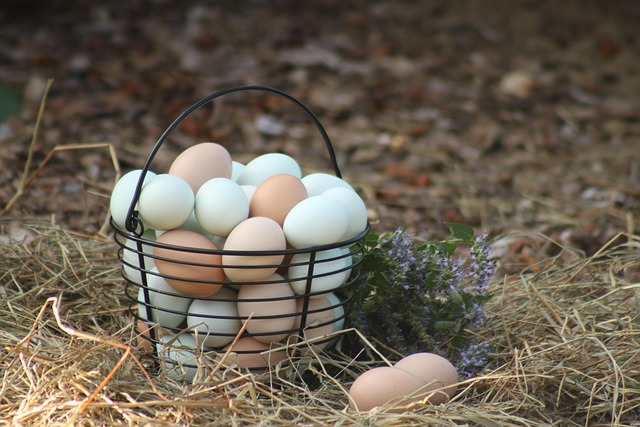
  • The Chicken Gateway: 3-4 laying hens provide eggs, fertilizer, and pest control with manageable commitment.
  • Preservation from Day One: If you grow it, you must know how to save it. Learn water-bath canning and dehydrating in your first season.
Check out Vegetable, Herb & Fruit Seeds at FerryMorse.com

✔ Facing the Numbers:

Your Homestead Startup Cost Calculation

Let’s demystify the budget with transparency. Costs vary wildly, but every journey starts with an estimate.

💰 Off-Grid Startup Cost 

Cost Framework: Phased Investment

Phase 1: Foundation & Land (Year 1-2)

  • Land (5-20 acres, region-dependent): $30,000 – $150,000
  • Well Drilling & Basic Water System: $5,000 – $25,000
  • Minimalist Shelter (Cabin, Yurt, Renovated Trailer): $15,000 – $40,000
  • *Phase 1 Estimated Range: $50,000 – $215,000*

Phase 2: Core Systems & Infrastructure (Year 2-3)

  • Solar Power System (Basic to Robust): $8,000 – $30,000
  • Outbuildings (Workshop, Chicken Coop): $5,000 – $20,000
  • Garden Setup, Tools, Initial Livestock: $3,000 – $10,000
  • *Phase 2 Estimated Range: $16,000 – $60,000*

The Strategy: This phased approach spreads cost and learning. Live on the land in a simpler shelter while you develop water and food systems, then invest in permanent power and housing.

✔ The Hidden Pillar:

Building Your Off-Grid Community

The myth of the solitary frontiersman is just that, a myth.

Your network is your most valuable renewable resource.

  • Skill Bartering: Trade your extra eggs for your neighbor’s welding skill. Swap garden surplus for help framing a wall.
  • Emergency Support: Who will care for your animals if you must leave? Who has the spare part you need?
  • Mental Health: Sharing challenges and triumphs with those who understand is invaluable.
How to Find Your Tribe:
  • Local: Feed stores, farmers’ markets, and county extension offices are intelligence hubs.
  • Online (with focus): Move beyond browsing. Join regional-specific Facebook groups (e.g., “Ozark Homesteaders”) and ask specific questions.
  • Intentional Events: Attend workshops from The Sustainable Homestead Institute or a Mother Earth News Fair.

✔ Your Journey Begins with a Single Step

(and a plan)

This path from grid to ground is not a rejection of community, but a redefinition of it, centered on mutual aid, shared knowledge, and tangible results.

It’s about replacing anxiety with agency, and consumption with creation.

Your final, most important interactive task: Commit to your first step in the comments below.

  • Is it planting a patio tomato plant this weekend?
  • Is it calculating your home’s energy usage?
  • Is it researching county land records for one hour?
  • Is it simply introducing yourself below and sharing your archetype?

That first step, no matter how small, is the one that matters most. It moves you from dreaming to doing.

Remember: The goal isn’t a perfect, Pinterest-ready homestead in a year. The goal is a life of continuous learning, resilience, and profound satisfaction. Your journey starts now. What will your first step be?

Master your homesteading mindset first. 

Next, Part 1 of our Deep Dive Series, learn how to build the mental resilience required for your off-grid journey. Read Part 1: Off-Grid Resilience Starts Here: How to Build Your Mental Foundation for Homesteading. 

Off-Grid Homestead Living For Beginners: Green Sustainable Living Off The Land

Leave a Comment

Your email address will not be published. Required fields are marked *